


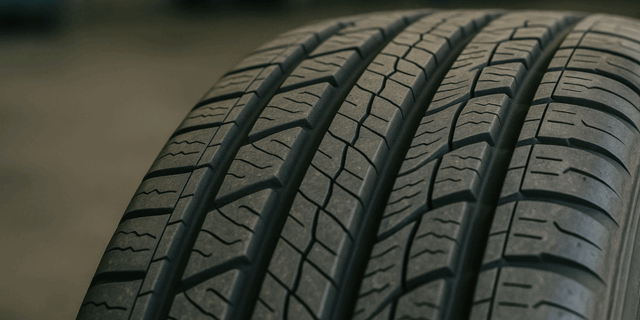
Tyre inspection during the MOT in Spain
Tyres are one of the most important components of a vehicle, and keeping them in good condition is essential for road safety.
From a regulatory standpoint, vehicles used for transporting people, goods, and trailers must have tread patterns in the main grooves of the tyre tread to be allowed on public roads.
In addition, tyres must be type-approved, and those under the categories M1, N1, O1, and O2 must have a minimum tread depth of 1.6 mm and must be equipped with mandatory wear indicators.
In terms of safety, vehicle inspection stations play a key role in verifying compliance with current regulations, thereby helping to reduce the risk of accidents.
Beyond technical aspects (approval markings, dimensions, equivalency, load capacity index, etc.), the MOT in Spain also checks other factors such as tread depth, uneven wear, presence of exposed cables, proper installation, and more. All these elements together determine whether a vehicle is roadworthy.
According to average rejection rates, the most common tyre defects detected at ITV stations include uneven wear, bulges, deformations, cuts, and insufficient tread depth.
The new Regulation (EU) 2020/740 of the European Parliament and of the Council of 25 May 2020 on new tyre labelling aims to promote the use of safe, durable, and fuel-efficient tyres that also produce low noise levels. This comes in light of the fact that approximately 38% of the current vehicle fleet is over 13.5 years old (according to ANFAC).
Given this situation, it is essential for all social and economic stakeholders in the automotive sector to propose and support initiatives that encourage the renewal of the current vehicle fleet—especially if we aim to meet the targets set by the EU and the Spanish National Energy and Climate Plan (PNIEC) in terms of accident reduction and emissions control.
Safety is everyone’s responsibility.